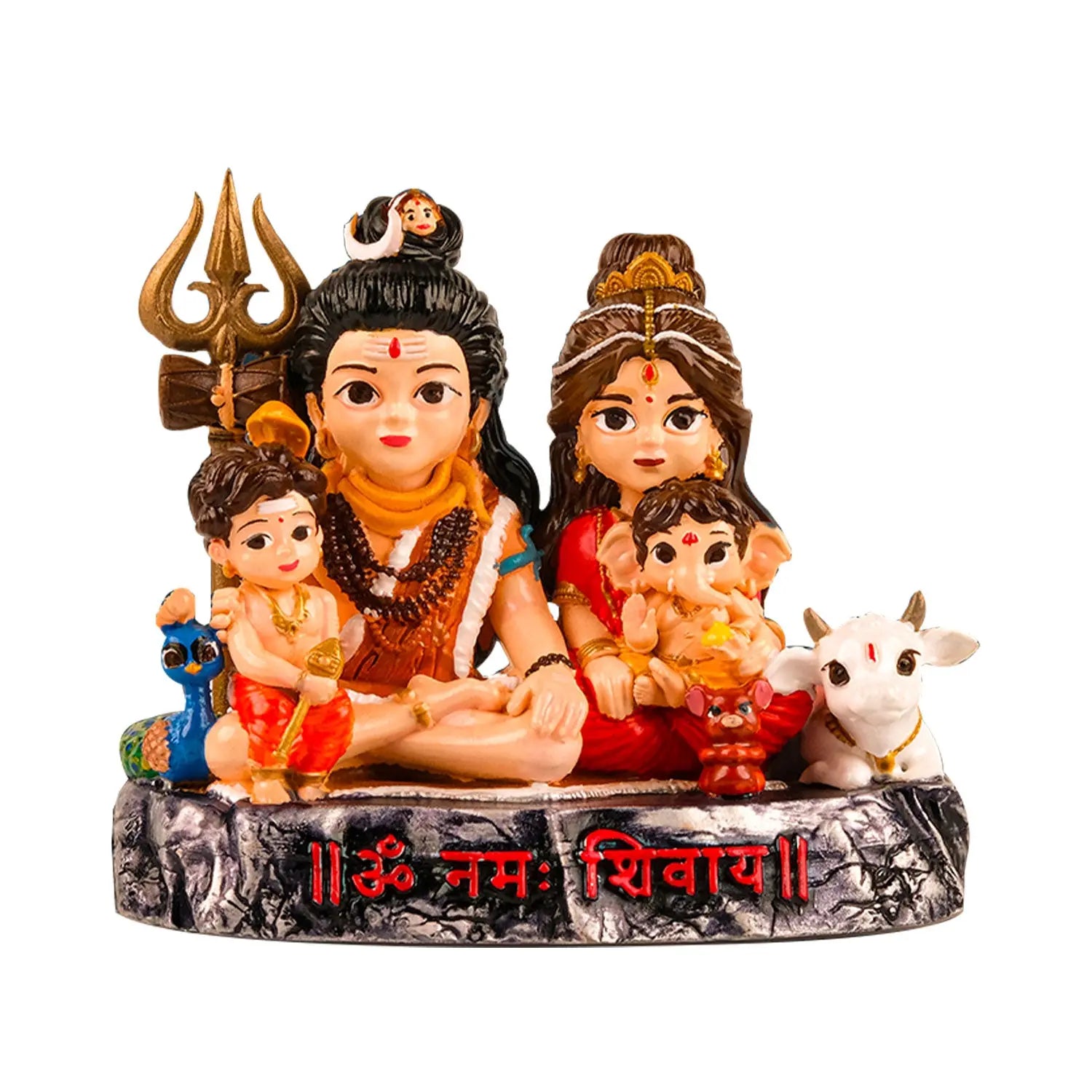
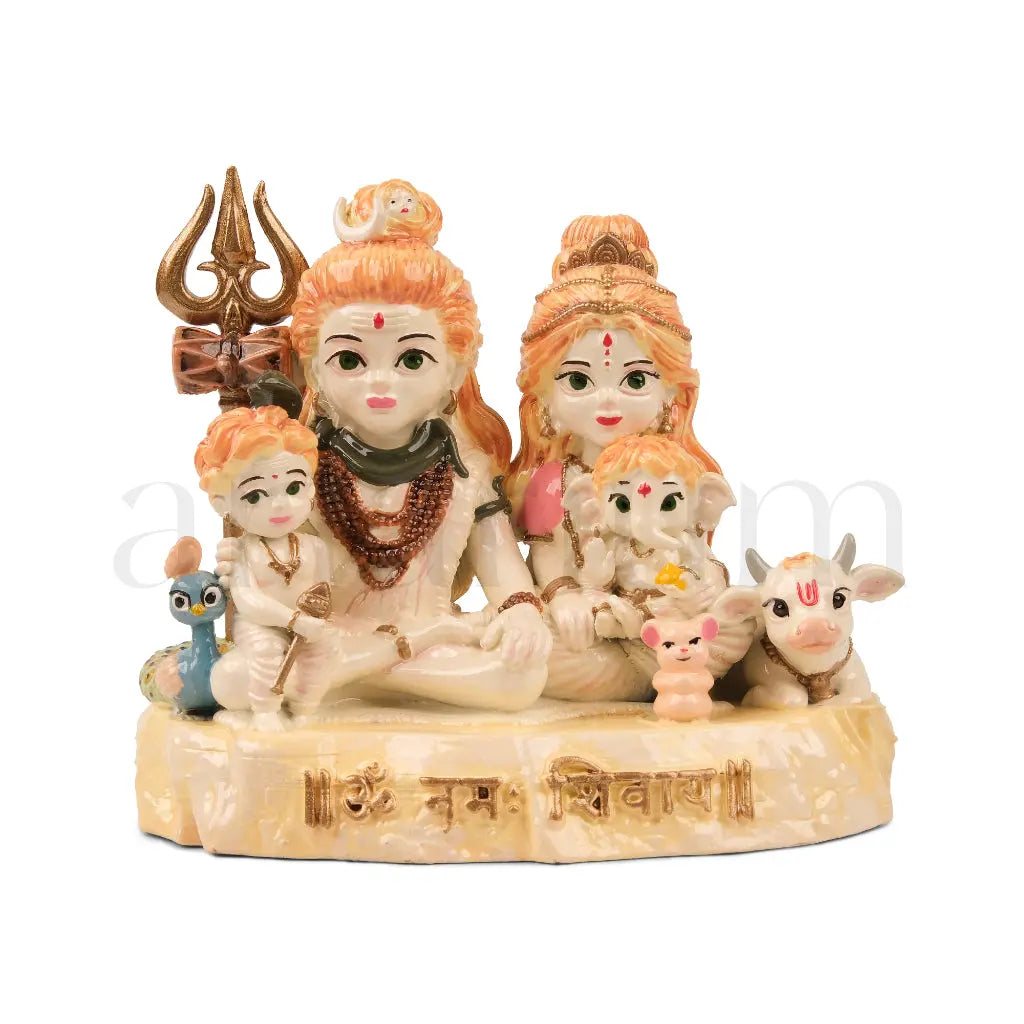


Ganga Dussehra 2026: Story of Maa Ganga, Lord Shiva & King Bhagiratha

A festival of river, faith, and a compassionate god
Has this question ever crossed your mind: why do millions of people across the world visit the banks of the River Ganga every year? They take a dip in its holy water and celebrate it like festivals with so much joy. The answer lies in one of the most beautiful stories from Hindu mythology, the story behind the Ganga Dussehra festival.
| When? | Ganga Dussehra Date 2026: 10th day of Jyeshtha (25 May) |
| What happened? | The sacred river Ganga descended to Earth |
| Also called | Gangavataran, Ganga Jayanti |
| Main ritual | Taking a holy dip in the Ganga |
What is Ganga Dussehra & Why Do We Celebrate it?
Ganga Dashara or Jeth Dussehra is a Hindu festival celebrated every year in India on the tenth day (Dashami) of the bright half of the month of Jyeshtha. This usually comes in May or June. The word "Dussehra" here comes from "Dus" meaning ten and "Hara" meaning destroyer. It is believed that taking a dip in the holy Ganga water on this day relieves (purifies) devotees of ten types of sins.
This day is celebrated as the anniversary of the moment when the sacred river Ganga first came down from heaven to Earth. This event is known as Gangavataran, the descent of Ganga. Ganga Dussehra or Jeth ka Dussehra is celebrated mostly in Uttar Pradesh, Uttarakhand, Bihar, West Bengal, and other states along the banks of the Ganga River. In cities like Haridwar, Varanasi, and Prayagraj, this Jeth Dussehra festival is celebrated on a grand level!
The Big Story: Why Did Goddess Ganga Come to Earth?
To understand the importance of Ganga Dashara, we need to go back to an ancient story from the Ramayana and the Puranas. This is a story of absolute devotion, sacrifice, and one very patient king.

King Sagara and the Death of His 60,000 Sons
Once upon a time, there was a powerful king named Sagara. To expand his kingdom, the king performed a grand ritual called the Ashwamedha Yajna. It was a horse sacrifice that would make him the most powerful ruler on Earth. But the god Indra, fearing Sagara's growing power, stole the sacred horse. After that, Indra hid it near the hermitage of the sage Kapila.
Following that, King Sagara sent his 60,000 sons to find the horse. When they found it near Sage Kapila's Ashram, they mistakenly assumed the sage had stolen it and disturbed his deep meditation. The sage became wrathful. He opened his eyes, and in that one angry moment, all 60,000 sons were turned to ashes!
As a result, their souls were now trapped. They could not rest in peace and would keep wandering. There was only one solution: their ashes were washed by the holy water of the River Ganga. But Ganga lived in heaven at that time.
Generations of Devotion
King Sagara's grandson, Anshuman, prayed and prayed to bring Ganga down. But he couldn't do it in his lifetime. His son Dilipa tried too, but he couldn’t succeed either. Finally, Dilipa's son, the great King Bhagiratha, took on this massive responsibility.
Bhagiratha left his kingdom and went to the Himalayas. For thousands of years, he performed extreme penance. His devotion was so deep and sincere that Brahma (the creator god) was finally moved. Then he asked Brahma to release Ganga from the heavens, but there was a big problem.
The Problem: Ganga's Force Was Too Powerful!
Ganga was a mighty river in heaven. If she fell directly on Earth, her force would be so enormous that she would split the Earth apart! The land would be destroyed, not saved.
So, Bhagiratha turned to Lord Shiva with prayers. And this is where the most magical part of the story begins...
Lord Shiva and Ganga: The Sacred Connection
Out of kindness, Lord Shiva agreed to help. He stood on the Himalayas with his hair widely open. When Ganga came crashing down from heaven with all her heavenly force, Shiva caught her entirely in his tangled hair.

Why Did Shiva Do This?
Shiva did this out of pure compassion. He wanted to save the Earth and all living beings from Ganga's overwhelming power. That’s why he trapped her in the maze of his hair so she could slow down, calm down, and then gently flow out onto Earth. Think of it like a storm being tamed, wild, powerful energy transformed into a gentle, life-giving river.
The Symbolism is Beautiful
Shiva's act is deeply symbolic. According to Hindu philosophy, Bhagwan Shiva represents the destroyer of ego and the protector of all life. His matted hair represents the cosmos itself: vast, boundless, and all-containing. By holding Ganga in his hair, Shiva showed that even the most powerful forces of nature need to be guided with wisdom and care.
This is also why Shiva is often shown with the Ganga flowing from his head. In every picture or statue of Shiva you see, the small stream of water coming from his hair; that is the River Ganga! She is forever a part of him.
Shiva Also Called "Gangadhara"

Because Shiva held Ganga in his hair, he is also known as Gangadhara — meaning "the one who carries Ganga." It is one of the many names of Shiva, and it beautifully describes this special relationship between the river goddess and the great god.
"Ganga was not just brought to Earth; she was cradled by Shiva first, because only he could hold something so powerful with such grace."
— From Hindu Mythology
Bhagiratha Leads the Way
After Shiva slowly released Ganga from his hair, the river gently began to flow across the Earth. Bhagiratha walked ahead on foot. He guided the sacred river to where his ancestors’ ashes lay. When the holy waters of the Ganga touched those ashes, all 60,000 sons of King Sagara were liberated. Their souls found peace at last.
Due to Bhagiratha's determination and sacrifice, the Ganga on Earth is also called Bhagirathi. Whenever you hear that name, it is a tribute to one man's incredible love for his ancestors.
A lesson from the story: Bhagiratha did not give up even when his grandfather and father failed. He continued where they left off. This teaches us that some goals are bigger than one lifetime, and that's okay. Keep moving ahead!
How is Jeth Dussehra Celebrated in India? Pooja Rituals & Spiritual Benefits

Today, we celebrate Ganga Dashara as a festival full of colour, light, faith, and community. Here is what happens on this special day:
- People wake up before sunrise and take a holy dip (called a "snan") in the Ganga River. It is believed that bathing in the Ganga on this day washes away ten types of sins.
- Flowers, diyas (earthen lamps), and offerings of fruits and sweets are placed on the water as a way of pleasing and thanking the river goddess.
- In the evenings, the famous Ganga Aarti is performed. A grand ceremony with priests waving large lamps while chanting prayers. The aarti in Haridwar, Rishikesh, and Banaras is truly breathtaking to watch!
- Throughout the day, people chant prayers and mantras dedicated to the Ganga and Lord Shiva.
- Charity is considered especially powerful on this day. Many people donate food, clothes, and money to the needy.
- Fairs and melas (festivals) are held near the ghats (river banks), with stalls, food, and devotional music filling the air.
Why Does Ganga Dussehra Still Matter Today?
Beyond the rituals and mythology, Ganga Dussehra carries an important message for all of us: protect your rivers.
The Ganga is not just a river in India. She is a mother, a lifeline, a source of water, food, and culture for hundreds of millions of people. The story of Bhagiratha reminds us that rivers were not always something we could take for granted. It took enormous effort and sacrifice to bring water to this Earth.
Today, with rivers facing pollution and water shortages becoming a real problem, Ganga Dussehra is also a reminder to respect and care for our natural water bodies. Just as Shiva protected Ganga with his hair, we must protect our rivers with our actions.
Conclusion
Ganga Dussehra is much more than just a festival. It is a story of patience, devotion, and the beautiful relationship between the sacred river Ganga and Lord Shiva. It tells us about Bhagiratha's extraordinary effort to save his ancestors, about Shiva's compassion in holding back the powerful river, and about the moment Ganga first touched the Earth and gave life to millions.
Whether you stand at the ghats of Varanasi watching the diyas float downstream, or simply hear the story for the first time, Ganga Dussehra connects us all to something much bigger than ourselves. It is a story of love, sacrifice, and the eternal flow of a river that has nurtured Indian civilisation for thousands of years.
So next time you see the Ganga, remember, she did not just flow here on her own. She was carried here, with grace and care, by the greatest of all gods.
Happy Ganga Dussehra!
Ganga Dussehra 2026: FAQs
What is the significance of Ganga Dussehra? ⌄
Ganga Dashara is the occasion when Goddess Ganga descended from heaven to Earth, symbolizing purification, peace, and spiritual cleansing.
When will ‘Jeth Ka Dussehra’ be celebrated in 2026? ⌄
Ganga Dussehra in 2026 will be celebrated on 25th May.
Why is Ganga Dussehra called “Dussehra”? ⌄
The word “Dussehra” refers to the destruction of ten sins (“Dus” meaning ten and “Hara” meaning removal). Bathing in the Ganga on this day is believed to cleanse devotees of ten types of sins.
How do devotees celebrate Ganga Dussehra? ⌄
People celebrate by taking holy dips in the River Ganga, offering prayers, performing Ganga Aarti, donating food and clothes, and chanting sacred mantras.
What are the spiritual benefits of witnessing Ganga Dussehra? ⌄
Witnessing Ganga Dussehra is believed to bring inner peace, remove negative karma, purify the soul, and attract divine blessings and prosperity.
LATEST BLOGS


Sep 04, 2026
108 Names of Lord Shiva with Meanings: The Complete Guide (Ashtottara Shatanamavali)
Read more →


