

Tulsi Vivah 2026: Date, Puja Vidhi, Story and Spiritual Significance

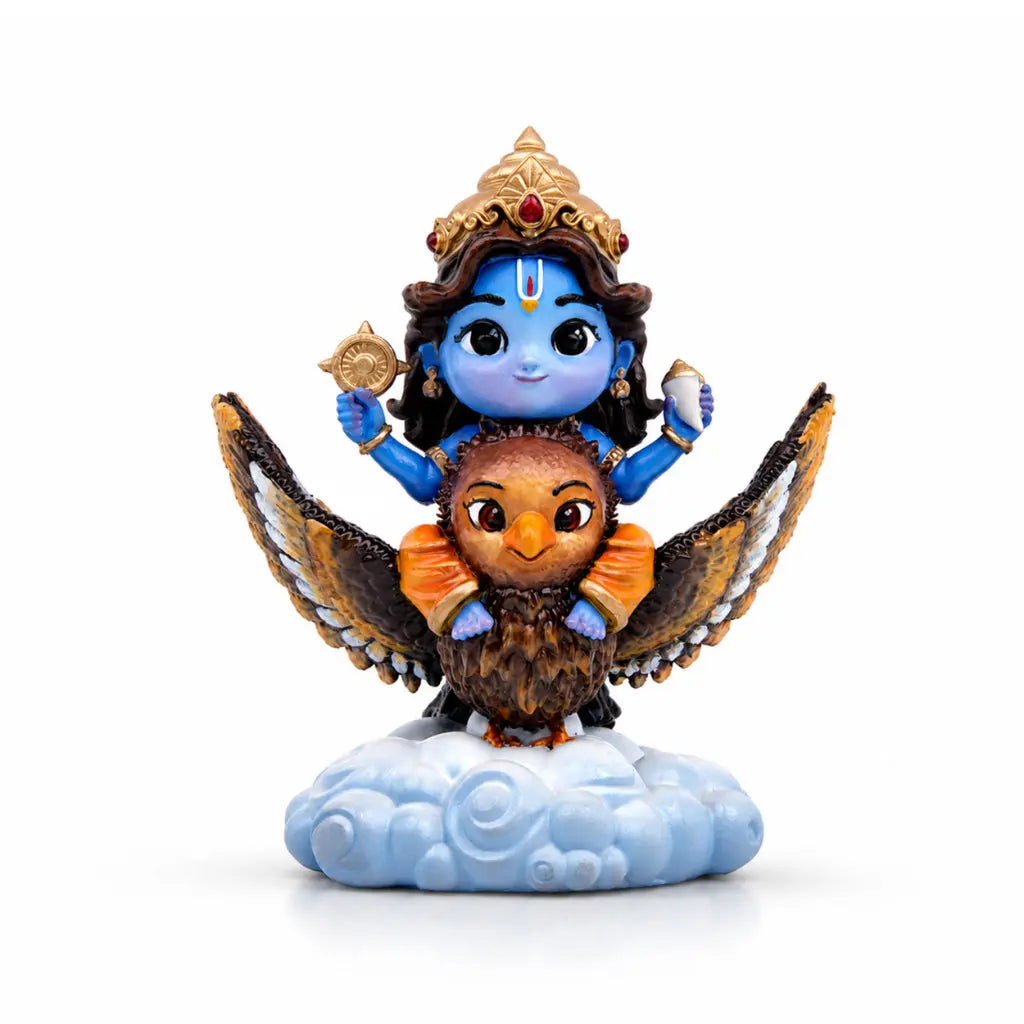
Tulsi Vivah 2026 is one of the sacred Hindu festivals that celebrates the divine marriage of Goddess Tulsi. Associated with Vrinda, and Lord Vishnu in his Shaligram form or as Lord Krishna, it is observed during the auspicious month of Kartik. Krishna Tulsi Vivah symbolises devotion, prosperity, and the beginning of the Hindu wedding season after the Chaturmas.
This blog will cover the Tulsi Vivah Katha, its spiritual significance - the traditional puja rituals - the Tulsi pooja timings, exploring beautiful mandap decoration ideas - Dos and Don’ts.
This festival offers a meaningful way to connect with Hindu traditions.
Tulsi Vivah 2026: Date and Shubh Muhurat
|
Details |
Date |
Puja Timings |
Significance |
|
Tulsi Vivah 2026 Date |
November 21, 2026 |
Evening puja |
Celebrates the divine marriage of Goddess Tulsi and Lord Vishnu. |
|
Shubh Muhurat |
November 21, 2026 |
5:25 PM–7:49 PM IST |
Auspicious period for Tulsi Vivah rituals. |
|
Dwadashi Tithi |
November 21–22, 2026 |
Begins 6:31 AM; ends 4:56 AM |
The traditional tithi for Tulsi Vivah in many regions. |
|
Dev Uthani Ekadashi |
November 20, 2026 |
As per local Panchang |
Marks as Lord Vishnu’s awakening after Chaturmas. Some perform Krishna Tulasi Vivah on this day. |
|
Tulasi Pooja Timings |
November 21, 2026 |
Evening Pradosh Kaal |
Opportunity to worship Tulsi Mata and seek blessings for prosperity and blessings. |
What Is Tulsi Vivah and Why Is It Celebrated?
Who is Goddess Tulsi?
Goddess Tulsi is the personification of the holy basil plant. Goddess Tulsi is revered in Hinduism as a symbol of purity, devotion and auspiciousness. Goddess Tulsi is considered a devotee of Lord Vishnu. Goddess Tulsi holds a place in Hindu worship and spiritual traditions. Goddess Tulsi's significance is closely connected to the Tulsi Vivah Katha. The Tulsi Vivah Katha narrates the story of Goddess Tulsi's divine marriage to Lord Vishnu and highlights the power of unwavering devotion. In Hindu households, a Tulsi Vrindavan serves as a sacred space for daily prayers and rituals. Devotees worship Tulsi Mata to seek blessings for peace, prosperity and spiritual well‑being.
During Tulsi Vivah, families offer prayers, listen to the story and sing the Tulsi Vivah Aarti to honour the divine union and celebrate Goddess Tulsi's eternal bond with Lord Vishnu.
Why is Tulsi married to Lord Vishnu?
According to the Tulsi Vivah Vrat Katha, Tulsi was Vrinda in birth. Vrinda was a woman known for unwavering faith and devotion to Tulsi’s husband, the demon king Jalandhara. Tulsi's spiritual purity made Jalandhara invincible. This caused Lord Vishnu to intervene to restore balance. After discovering the truth, Vrinda renounced life. Then Lord Vishnu granted Tulsi a boon. Lord Vishnu declared that Tulsi would be revered on Earth as the Tulsi plant. Lord Vishnu also said that Tulsi's leaves would hold a place in his worship. Lord Vishnu promised to honour Tulsi through a marriage. This created the Krishna Tulsi Vivah tradition. The story highlights the significance of faith, sacrifice and divine grace. The festival also offers devotees an occasion to share heartfelt Tulsi Vivah wishes with loved ones, praying for peace, prosperity, happiness and spiritual well‑being.

Tulsi, Vrinda and Shaligram: The Connection
-
Vrinda’s Devotion: According to the Tulsi Vivah Vrat Katha, Vrinda’s unwavering devotion protected her husband, Jalandhara, from defeat and death.
-
Vishnu’s Deception and Curse: Lord Vishnu assumed Jalandhara’s form to restore cosmic balance. Upon discovering the deception, Vrinda cursed him to become a black stone.
-
The Shaligram Stone: Lord Vishnu accepted the curse and became the sacred Shaligram stone, associated with the Gandaki River (source of shaligram stones).
-
The Eternal Union: Vrinda transformed into the holy Tulsi plant, and Vishnu promised to marry her in this form, inspiring the annual Tulsi Vivah celebration.
-
Tulsi Vivah Significance: This sacred union symbolises devotion, sacrifice, and divine grace. Devotees also share Tulsi Vivah wishes for happiness, prosperity, and harmony.
Tulsi Vivah Puja Vidhhi
|
Puja Step |
Ritual and Procedure |
Samagri |
|
Clean the Puja Area |
Clean the puja space and Tulsi Vrindavan. Bathe and prepare the Tulsi plant for worship. |
Water, Gangajal, Clean cloth, Diya. |
|
Decorate Tulsi Mata as a Bride |
Dress the Tulsi plant with a red or pink chunri, flowers, and traditional bridal ornaments. |
Chunri, flowers, bangles, sindoor. |
|
Prepare the Mandap |
Create a small wedding canopy and place a Shaligram stone or Lord Krishna idol beside Tulsi Mata. |
Sugarcane stalks, flowers, yellow cloth, garlands |
|
Perform Sankalp and Worship |
Take a devotional sankalp and offer prayers to Tulsi Mata and Lord Vishnu. Chant a traditional Tulsi Vivah mantra according to your family tradition. |
Akshat, roli, haldi, incense, flowers, water |
|
Perform the Wedding Rituals |
Symbolically unite Tulsi Mata and Shaligram with a sacred thread or garland. Recite the Tulsi Vivah Katha and perform the customary wedding rituals. |
Mauli, garlands, turmeric, sweets |
|
Offer Bhog and Perform Aarti |
Offer fruits and sweets, light a ghee diya, and sing the Tulsi Vivah Aarti. Distribute prasad among family members to conclude the ceremony. |
Fruits, sweets, amla, diya, ghee, prasad |

Tulsi Vivah: Significance and Benefits
The importance of Tulsi Vivah lies in the values of purity, devotion and unwavering faith shown by Goddess Tulsi. I feel Tulsi is revered as sacred in Hinduism and Tulsi plant symbolizes cleansing and a deep connection with the Divine.
Significance of Tulsi in Hindu Tradition
The plant is a part of many Hindu households and religious ceremonies:
-
Tulsi holds a special place in Vaishnavism and is considered especially dear, to Lord Vishnu, Lord Krishna and Lord Rama.
-
Tulsi leaves are traditionally offered during Vishnu worship and placed on prasad as a mark of devotion.
-
Tulsi stems are also used to make sacred malas for chanting mantras and prayers.
Tulsi Vivah Puja Samagri and Importance
Preparing the Tulsi Vivah puja samagri list is an important step in organizing the ceremony at home. Common items include flowers, a red or yellow chunri, a diya, incense sticks, roli, turmeric, akshat, fruits, sweets, a sacred thread, and a Shaligram stone or Lord Krishna idol. These offerings help devotees perform the traditional wedding rituals with reverence. Specific requirements may vary according to regional customs and family traditions.
Marks the beginning of the Hindu Wedding Season
Tulsi Vivah is traditionally observed around Prabodhini Ekadashi or Dwadashi in the Hindu month of Kartik, marking the end of Chaturmas. According to the Tulsi vivah story, Lord Vishnu awakens from his cosmic rest during this period, making it an auspicious time for religious and social celebrations to resume. Tulsi Vivah is therefore associated with the beginning of the Hindu wedding season, when families begin planning weddings and other important ceremonies according to the auspicious dates in their local Panchang.

Tulsi Vivah Decoration Ideas
Mandap decoration ideas:
Create a beautiful setting for Tulsi Vivah by using a traditional sugarcane mandap, fresh flowers and warm fairy lights. Dress the Tulsi plant with a pink chunri. Place a Shaligram stone or a Lord Krishna idol beside the Tulsi plant to show the couple. Arrange all the Tulsi Vivah samagri like diyas, flowers, fruits, sweets and sacred threads and get ready for the Tulsi Vivah puja vidhi. As you decorate the mandap, recite a Tulsi Vivah mantra to add a touch to the ceremony.
Traditional Flowers, Diyas and Rangoli:
Enhance the puja space with marigold rose or jasmine garlands. Create a rangoli using flower petals or rice flour around the Tulsi plant. Place traditional clay diyas around the mandap so that they light the space during the evening Tulsi Vivah Aarti. Finish the arrangement with a gathbandhan, between Tulsi Mata and Lord Vishnu. Add fruits, sweets and a Kalash decorated with mango leaves. Before you finish the ceremony listen to. Recite the Tulsi Vivah Katha. This will honour the marriage and let you celebrate the festival with devotion.
Tulsi Vivah 2026: Dos and Don’ts
Vivah Rituals to Follow:
-
Prepare the Wedding Mandap: One of the traditional tulsi vivah decoration ideas is to create a beautiful mandap using four sugarcane stalks tied together at the top around the Tulsi Vrindavan. Decorate the area with flowers, rangoli, and traditional ornaments to create an auspicious setting for the ceremony.
-
Adorn Tulsi and Lord Vishnu as the Bride and Groom: As part of the tulsi vivah vidhi at home, dress the Tulsi plant with a red chunari or saree, bangles, haldi, and sindoor. Adorn the Shaligram stone or Lord Krishna idol with a yellow cloth (Pitambar) or dhoti to represent the groom.
-
Perform the Sacred Gathbandhan: Tie a red or yellow sacred thread between the Tulsi plant and the Shaligram stone to symbolise their divine marriage. This ritual reflects the Tulsi Vivah importance in Hindu tradition, representing devotion, marital harmony, and the sacred union of Goddess Tulsi and Lord Vishnu.
-
Offer Traditional Bhog to the Deities: Offer seasonal fruits and auspicious ingredients such as sugarcane, amla, apples, and singhara, along with traditional sattvic sweets. These offerings form an important part of the puja and are prepared with devotion as part of the Tulsi Vivah celebrations.
-
Perform the Mangal Phere: Circumambulate the Tulsi plant and Shaligram stone together seven times, praying for prosperity, harmony, and well-being. Chanting a traditional tulsi vivah mantra or reciting the Vishnu Sahasranama during the ritual helps create a devotional atmosphere.
-
Recite the Tulsi Vivah Vrat Katha: Read or listen to the tulsi vivah vrat katha to understand the religious significance and traditional beliefs associated with the divine wedding. Conclude the ceremony by performing the tulsi vivah aarti and offering prayers to Goddess Tulsi and Lord Vishnu.
-
Purify and Decorate the Puja Area: Clean the puja space thoroughly and sprinkle Ganga water to maintain its sanctity. Complete your tulsi vivah decoration ideas with colourful rangoli, fresh flowers, traditional diyas, and a clean wooden chowki covered with a new cloth for placing the deities.

Common Mistakes to Avoid:
-
Avoid Plucking Tulsi Leaves: Traditional beliefs say that Tulsi leaves must not be plucked on the wedding day. If Tulsi leaves are needed for offerings, gather them one day before following your family customs.
-
Choose Appropriate Puja Utensils: Prefer brass or copper utensils and clay diyas for the ceremony. Using these materials can complement the setting of your Tulsi vivah vidhi at home.
-
Place the Deities on a Clean Pedestal: Never put the Shaligram stone or other sacred idols directly on the floor. Use a wooden chowki covered with a fresh cloth to create a respectful space for the wedding rituals.
-
Avoid Pouring Milk into the Tulsi Soil: Do not pour milk directly onto the soil of the Tulsi plant. If your family tradition says so use panchamrit for the Shaligram stones abhishek and perform the ritual carefully.
-
Keep the Puja Area Free from Impurities: Keep shoes, slippers, brooms and thorny plants from the Tulsi Vrindavan. A clean and organised space helps keep the ceremony sacred and supports an atmosphere for chanting the Tulsi vivah mantra.
-
Avoid Damaged or Withered Puja Materials: Use fresh flowers, clean ritual accessories and well‑maintained idols. If the Tulsi plant has dried up follow your family’s practices instead of replacing or discarding it without proper consideration.
-
Maintain a Sattvic Environment: Traditionally devotees avoid onion, garlic, alcohol and non‑vegetarian food during Tulsi Vivah observances. Following these customs along, with reciting the Tulsi vivah vrat katha and performing the Tulsi vivah aarti helps devotees observe the festival with faith and devotion.
Final Thought:
Thus Tulsi Vivah announces the start of the Hindu wedding season. Tulsi Vivah is a sign of devotion. Tulsi Vivah is celebrated on Saturday, November 21 2026. It marks the end of the four holy months of Chaturmas. When you perform the puja at home Tulsi Vivah brings positivity, prosperity and peace into your home.
Frequently Asked Questions:
1. What is the spiritual significance of Tulsi? ⌄
Ans. Tulsi is a spiritual plant that symbolizes purity, devotion, divine protection and spiritual balance.
2. What is the good time for Tulsi Vivah? ⌄
Ans. Saturday, November 21, 2026 is a good time for Tulasi Vivah.
3. Which god does not offer Tulsi? ⌄
Ans. Lord Ganesha is not offered Tulasi as she proposed him for marriage according to some scriptures.
4. When to offer water to Tulasi?⌄
Ans. Tulsi plants should be watered when 1 inch of the soil layer will become dry.
5. Why is Tulsi Vivah celebrated?⌄
Ans. Tulsi vivah significance comes as it is celebrated to honour the sacred marriage of Tulsi to Lord Vishnu.
LATEST BLOGS

Nov 02, 2026
Dev Deepawali 2026: Date, Significance and Traditional Home Decoration Ideas
Read more →
Oct 26, 2026
8 Best Diwali Gift Ideas 2026: Diwali Gifts for Family, Friends & Employees
Read more →

Oct 16, 2026
Ganesh Laxmi Murti Direction at Home: Placement, Vastu Tips & Diwali Puja Rules
Read more →


Sep 04, 2026
108 Names of Lord Shiva with Meanings: The Complete Guide (Ashtottara Shatanamavali)
Read more →


