

108 Names of Lord Shiva with Meanings: The Complete Guide (Ashtottara Shatanamavali)

Lord Shiva is one of the most revered deities in Hinduism. Shiva is known by many names and forms, such as Mahadev, Shankara, Neelkanth, and Pashupati. Each name reflects a unique quality, form, or aspect of Lord Shiva. Many prayers and pujas include these sacred names as a way of remembering and worshipping him.
The 108 names of Shiva, also known as the Shiva Ashtottara Shatanamavali, are 108 sacred names that describe the many forms and qualities of Lord Shiva. Devotees can chant these names of Shiva and understand their meanings during daily prayers or on special occasions such as Shivratri.
What Are The 108 Names of Lord Shiva?
The 108 Names of Lord Shiva are also known as Shiva Ashtottara Shatanamavali. The term Ashtottara Shatanamavali refers to a collection of 108 sacred names.
The names of Lord Shiva represent different aspects of him. Some names describe Lord Shiva’s appearance, some describe his powers, some describe his relationship with devotees, some describe his role in the universe, and some are connected with important incidents and stories related to Lord Shiva.
The 108 Names of Lord Shiva are used to remember and worship Lord Shiva while reflecting on his different forms and qualities.

Know 108 Names of Lord Shiva and Their Meanings
|
S. No. |
Name |
Mantra |
Meaning |
|
1 |
Shiva |
Om Shivaya Namah |
The auspicious and benevolent one |
|
2 |
Maheshvara |
Om Maheshvaraya Namah |
The great lord |
|
3 |
Shambhu |
Om Shambhave Namah |
The source and giver of happiness |
|
4 |
Pinaki |
Om Pinakine Namah |
The one who holds the Pinaka bow |
|
5 |
Shashishekhara |
Om Shashishekharaya Namah |
The one who wears the moon on his head |
|
6 |
Vamadeva |
Om Vamadevaya Namah |
The beautiful and auspicious one |
|
7 |
Virupaksha |
Om Virupakshaya Namah |
The one with a third or extraordinary eye |
|
8 |
Kapardi |
Om Kapardine Namah |
The one with matted hair |
|
9 |
Nilalohita |
Om Nilalohitaya Namah |
The one who is blue and red in appearance |
|
10 |
Shankara |
Om Shankaraya Namah |
The one who brings happiness and prosperity |
|
11 |
Shulapani |
Om Shulapanine Namah |
The one who holds the trident |
|
12 |
Khatvangi |
Om Khatvangine Namah |
The one who carries the Khatvanga weapon |
|
13 |
Vishnuvallabha |
Om Vishnuvallabhaya Namah |
The one who is dear to Lord Vishnu |
|
14 |
Shipivishta |
Om Shipivishtaya Namah |
The one who emits divine rays of light |
|
15 |
Ambikanatha |
Om Ambikanathaya Namah |
The husband of Goddess Ambika |
|
16 |
Shrikantha |
Om Shrikanthaya Namah |
The one with a beautiful and glorious neck |
|
17 |
Bhaktavatsala |
Om Bhaktavatsalaya Namah |
The one who deeply loves his devotees |
|
18 |
Bhava |
Om Bhavaya Namah |
The one who manifests as existence itself |
|
19 |
Sharva |
Om Sharvaya Namah |
The one who destroys suffering and sins |
|
20 |
Trilokesha |
Om Trilokeshaya Namah |
The lord of the three worlds |
|
21 |
Shitikantha |
Om Shitikanthaya Namah |
The one with a white or pale throat |
|
22 |
Shivapriya |
Om Shivapriyaya Namah |
The one who is beloved of Goddess Parvati |
|
23 |
Ugra |
Om Ugraya Namah |
The fierce and powerful one |
|
24 |
Kapali |
Om Kapaline Namah |
The one who wears a garland of skulls |
|
25 |
Kamari |
Om Kamaraye Namah |
The enemy of Kamadeva and conqueror of desire |
|
26 |
Andhakasurasudana |
Om Andhakasurasudanaya Namah |
The slayer of the demon Andhaka |
|
27 |
Gangadhara |
Om Gangadharaya Namah |
The one who holds Goddess Ganga in his matted hair |
|
28 |
Lalataksha |
Om Lalatakshaya Namah |
The one who has an eye on his forehead |
|
29 |
Kalakala |
Om Kalakalaya Namah |
The one who is the destroyer of time and death |
|
30 |
Kripanidhi |
Om Kripanidhaye Namah |
The ocean of compassion |
|
31 |
Bheema |
Om Bhimaya Namah |
The immensely powerful and formidable one |
|
32 |
Parshuhasta |
Om Parashuhastaya Namah |
The one who holds an axe |
|
33 |
Mrigapani |
Om Mrigapanaye Namah |
The one who holds the deer, symbolising the restless mind |
|
34 |
Jatin |
Om Jatadharaya Namah |
The one who wears matted locks |
|
35 |
Dhurjati |
Om Kailasavasine Namah |
The one who resides on Mount Kailash |
|
36 |
Prashantatma |
Om Kavachine Namah |
The one who wears protective armour |
|
37 |
Kamakshaya |
Om Kathoraya Namah |
The strong and powerful one |
|
38 |
Kamasana |
Om Tripurantakaya Namah |
The one who destroyed Tripura |
|
39 |
Kedareshvara |
Om Vrishankaya Namah |
The one whose flag bears the symbol of Nandi |
|
40 |
Kandalash |
Om Vrishabharudhaya Namah |
The one who rides Nandi, the sacred bull |
|
41 |
Shuchishetu |
Om Bhasmoddhulitavigrahaya Namah |
The one whose body is covered with sacred ash |
|
42 |
Sharvarga |
Om Samapriyaya Namah |
The one who is fond of the Sama Veda |
|
43 |
Bhalanetra |
Om Svaramayaya Namah |
The one who exists in the seven musical notes |
|
44 |
Shuresha |
Om Trayimurtaye Namah |
The one who embodies the three Vedas |
|
45 |
Anandakarana |
Om Anishvaraya Namah |
The one who has no superior and is himself the supreme lord |
|
46 |
Atma |
Om Sarvajnaya Namah |
The all-knowing one |
|
47 |
Siddha |
Om Paramatmane Namah |
The Supreme Soul |
|
48 |
Pujya |
Om Somasuryagnilochanaya Namah |
The one whose three eyes are the Moon, Sun, and Fire |
|
49 |
Sthani |
Om Havishe Namah |
The one who is the very form of the sacred offering |
|
50 |
Vishveshvara |
Om Yajnamayaya Namah |
The one who embodies the sacred sacrifice |
|
51 |
Pushkara |
Om Somaya Namah |
The calm and pure one, like the Moon |
|
52 |
Kamesha |
Om Panchavaktraya Namah |
The one with five faces |
|
53 |
Sarvagya |
Om Sadashivaya Namah |
The eternally auspicious one |
|
54 |
Sarvago |
Om Vishveshvaraya Namah |
The lord of the entire universe |
|
55 |
Kavi |
Om Virabhadraya Namah |
The fierce and powerful one |
|
56 |
Kanchana |
Om Gananathaya Namah |
The lord of all the Ganas |
|
57 |
Mahayogi |
Om Prajapataye Namah |
The lord of all beings |
|
58 |
Maheshvara |
Om Hiranyaretase Namah |
The one who possesses radiance like a thousand suns |
|
59 |
Bahurupa |
Om Durdharshaya Namah |
The one who cannot be defeated |
|
60 |
Nishkalanka |
Om Girishaya Namah |
The lord of the mountains |
|
61 |
Vashi |
Om Girishaya Namah |
The one who dwells upon Mount Kailash |
|
62 |
Vyapi |
Om Anaghaya Namah |
The one who is free from sin |
|
63 |
Nyayakarana |
Om Bhujangabhushanaya Namah |
The one who wears serpents as ornaments |
|
64 |
Adhikari |
Om Bhargaya Namah |
The one who destroys all sins |
|
65 |
Tapasvi |
Om Giridhanvine Namah |
The one whose bow is Mount Meru |
|
66 |
Paramjyoti |
Om Giripriyaya Namah |
The one who loves the mountains |
|
67 |
Prajapati |
Om Krittivasase Namah |
The one who wears an elephant skin |
|
68 |
Pashupati |
Om Purarataye Namah |
The destroyer of Tripura |
|
69 |
Pinakin |
Om Bhagavate Namah |
The divine and glorious one |
|
70 |
Pranava |
Om Pramathadhipaya Namah |
The lord of the Pramatha Ganas |
|
71 |
Varada |
Om Mrityunjayaya Namah |
The conqueror of death |
|
72 |
Varenya |
Om Sukshmatanave Namah |
The one with a subtle and divine form |
|
73 |
Maheshvara |
Om Jagadvyapine Namah |
The one who pervades the entire universe |
|
74 |
Mahasena |
Om Jagadgurave Namah |
The teacher and guide of the universe |
|
75 |
Avyaya |
Om Vyomakeshaya Namah |
The one whose hair extends through the vast sky |
|
76 |
Pakshi |
Om Mahasenajanakaya Namah |
The father of Lord Kartikeya |
|
77 |
Kanthika |
Om Charuvikramaya Namah |
The one with beautiful and powerful valour |
|
78 |
Sarvadhara |
Om Rudraya Namah |
The fierce and powerful one |
|
79 |
Sarvakarana |
Om Bhutapataye Namah |
The lord of beings and the five elements |
|
80 |
Sthanu |
Om Sthanave Namah |
The eternal and immovable one |
|
81 |
Ahirbudhanya |
Om Ahirbudhnyaya Namah |
The one associated with the serpent of the deep |
|
82 |
Digambara |
Om Digambaraya Namah |
The one who has the directions as his clothing |
|
83 |
Ashtamurti |
Om Ashtamurtaye Namah |
The one who has eight forms |
|
84 |
Anekatma |
Om Anekatmane Namah |
The one who exists in many forms |
|
85 |
Satvika |
Om Sattvikaya Namah |
The one who is supremely pure and sattvic |
|
86 |
Shuddhavigraha |
Om Shuddhavigrahaya Namah |
The one whose form is completely pure |
|
87 |
Shashvata |
Om Shashvataya Namah |
The eternal and imperishable one |
|
88 |
Khandaparshu |
Om Khandaparashave Namah |
The one who holds a broken axe |
|
89 |
Aja |
Om Ajaya Namah |
The unborn and eternal one |
|
90 |
Pashvimochana |
Om Pashavimochakaya Namah |
The one who frees beings from worldly bondage |
|
91 |
Mrida |
Om Mridaya Namah |
The one who bestows happiness |
|
92 |
Deva |
Om Pashupataye Namah |
The lord of all living beings |
|
93 |
Mahadeva |
Om Devaya Namah |
The divine and worshipped lord |
|
94 |
Avyaya |
Om Mahadevaya Namah |
The great god and lord of the gods |
|
95 |
Hari |
Om Avyayaya Namah |
The imperishable one |
|
96 |
Bhagnetrabhid |
Om Haraye Namah |
The one who removes sins and suffering |
|
97 |
Avyayat |
Om Pushadantabhide Namah |
The one who broke the teeth of Pushan |
|
98 |
Dakshadhwarahara |
Om Avyagraya Namah |
The calm, steady, and unwavering one |
|
99 |
Har |
Om Dakshadhvaraharaya Namah |
The one who destroyed Daksha’s sacrifice |
|
100 |
Pushadantabhit |
Om Haraya Namah |
The remover of sins and suffering |
|
101 |
Avyagra |
Om Bhaganetrabhide Namah |
The one who damaged the eye of Bhaga |
|
102 |
Sahsraksha |
Om Avyaktaya Namah |
The one who is beyond visible form |
|
103 |
Sahasrapada |
Om Sahasrakshaya Namah |
The one with a thousand eyes |
|
104 |
Apavargaprada |
Om Sahasrapade Namah |
The one with a thousand feet |
|
105 |
Ananta |
Om Apavargapradaya Namah |
The giver of liberation or moksha |
|
106 |
Taraka |
Om Anantaya Namah |
The endless and infinite one |
|
107 |
Parameshvara |
Om Tarakaya Namah |
The liberator and saviour |
|
108 |
Sadashiva |
Om Parameshvaraya Namah |
The supreme lord |
Why Lord Shiva's 108 Names Are Important
Shiva's 108 names represent different facets of Shiva in different forms. Each name reflects specific qualities, forms, stories, or aspects that Shiva possesses.
One of his names, Gangadhara, depicts Shiva as the Lord who holds Maa Ganga in his matted hair. Another name, Shashishekhara, means Shiva who wears the crescent moon on his head. Similarly, Mrityunjaya represents Shiva as the Lord who conquers death. Pashupati means the Lord of all living beings.
If one researches his names in detail, they reveal numerous forms of Shiva. These forms help people understand Shiva's different qualities and remember them during their prayers.

What Is Shiva Ashtottara Shatanamavali?
Ashtottara Shatanamavali is a Sanskrit name for Shiva’s 108 names. “Ashtottara Shata” refers to 108 (one hundred and eight), while “Namavali” refers to a collection or garland of names.
Shiva Ashtottara Shatanamavali is sung while performing Shiva puja. Each of the 108 names may be recited with offerings such as flowers, bilva leaves, datura, or water.
Chanting these 108 names is often heard during festivals and special occasions dedicated to Lord Shiva, including Mahashivratri.
Most Popular Names of Shiva
Shankar: One who brings happiness and prosperity.
Shambhu: The source and giver of happiness.
Mahakal: The lord of time and death.
Neelkanth: The blue-throated one who is associated with drinking the poison during the Samudra Manthan.
Rudra: The fierce and powerful form of Lord Shiva in the Vedic tradition.
Nataraja: The cosmic dancer and lord of the dance.
How to Chant the 108 Names of Lord Shiva
Basically, devotees don’t need to make the practice complicated. They can sit in a clean and peaceful area and remember Lord Shiva with a calm mind.
The 108 names can be chanted one by one with a chanting mala. Some devotees chant them during their daily puja time, while others prefer to chant them on a specific day such as Monday, Mahashivratri, or during other important festivals.
You can also read the 108 names of Shiva with meanings to understand each name while chanting.
Final Thoughts
Lord Shiva’s 108 names with their meanings offer a simple way to learn about the many forms and qualities of Mahadev. Every single name has its own meaning, and it also connects devotees with a different aspect of Lord Shiva.
From Shiva, the pure and auspicious one, to Mahadeva, the great god, and Parameshvara, the supreme lord, these 108 names of Lord Shiva are considered sacred.
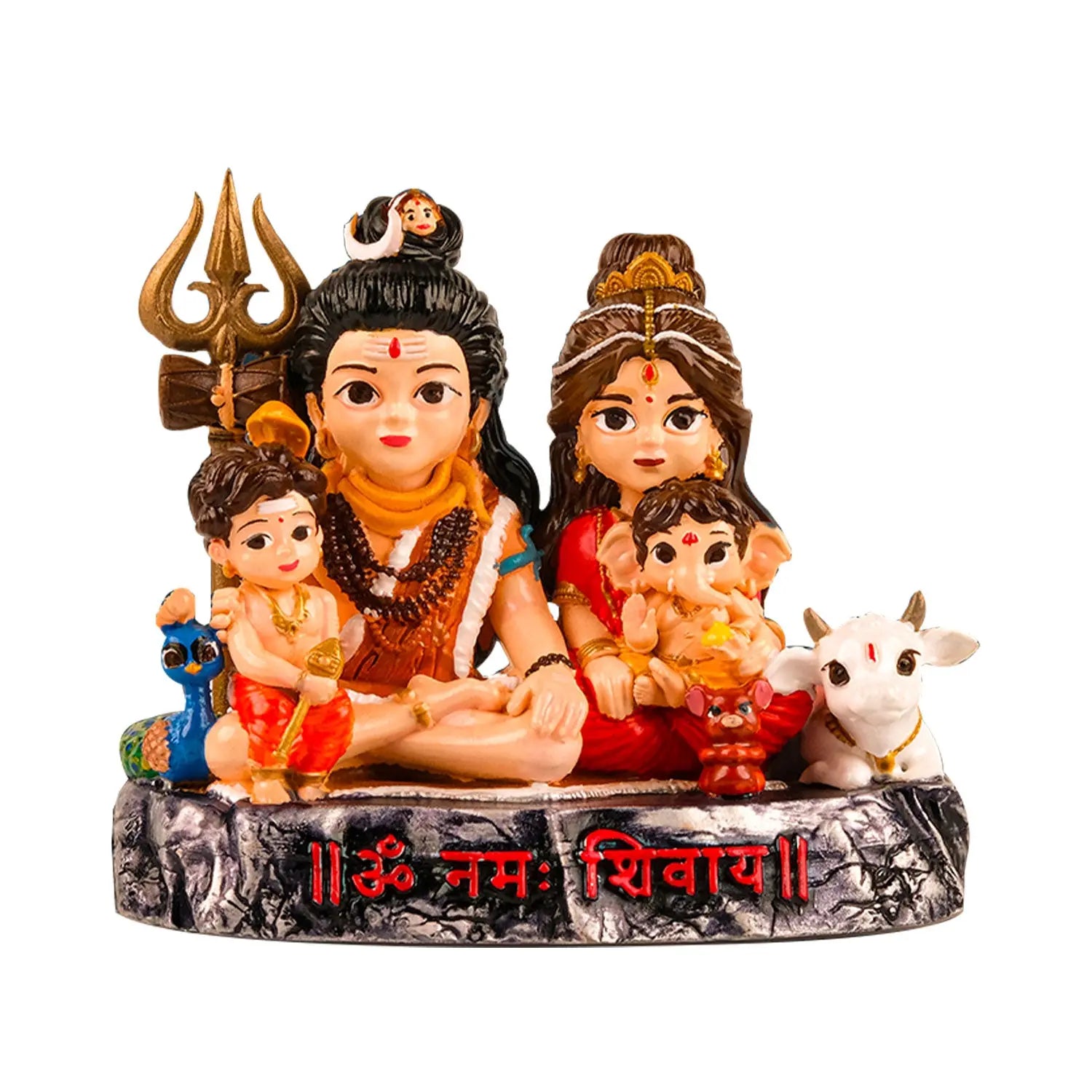
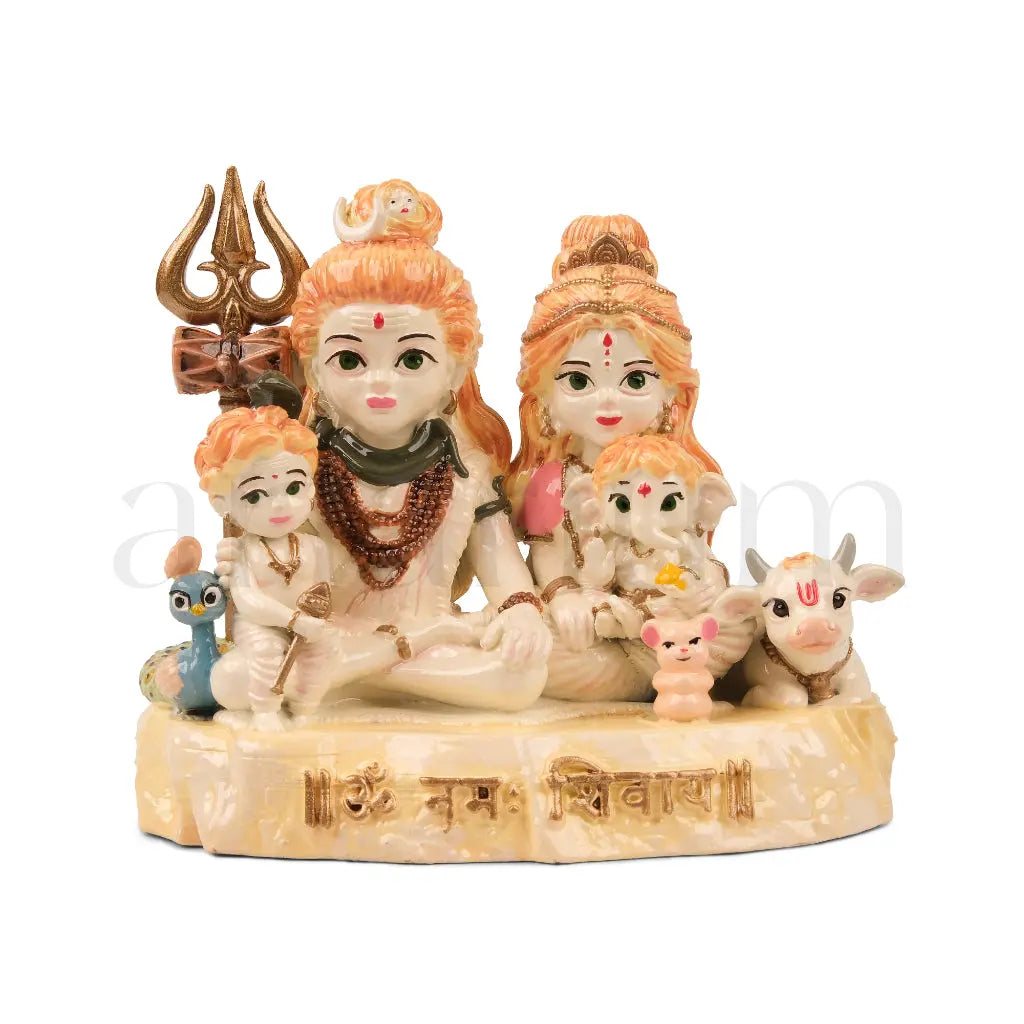
Explore divine Shiva God Idols from Artarium and bring the presence and blessings of Mahadev into your home.
Frequently Asked Questions
1. What is Shiva Ashtottara Shatanamavali? ⌄
Ans. Ashtottara Shatanamavali is the sacred list of 108 names describing Lord Shiva’s forms and qualities.
2. Why chant Lord Shiva's 108 names?⌄
Ans. Chanting Lord Shiva’s 108 names gives peace, destroys negative energy, and deepens spiritual devotion.
3. When should you chant these names?⌄
Ans. You can chant these names during daily prayers, on Mondays, or on special occasions like Mahashivratri.
4. How should you recite them?⌄
Ans. Recite them while sitting quietly with a clean heart, chanting them directly or using a mala.
5. What do the names mean?⌄
Ans. Lord Shiva’s names represent a specific legend or attribute, like Gangadhara (holder of the river Ganga).
LATEST BLOGS


Oct 16, 2026
Ganesh Laxmi Murti Direction at Home: Placement, Vastu Tips & Diwali Puja Rules
Read more →


