

Hariyali Teej Significance: Shiva and Parvati's Divine Story

Hariyali Teej gives tribute to the love story of Lord Shiva and Goddess Parvati and takes place in the monsoon season. This festival originated from the story of Goddess Parvati, who completed many years of penance to have Shiva as her husband. Once he saw her dedication, he agreed to the union. In this story, Teej encourages Parvati devotees to practice patience, devotion, and faith.
What is Hariyali Teej?
Indians celebrate this festival as a way to worship Goddess Parvati by celebrating the green, lush, nourishing season. From the summer months of July and August, Teej takes place in Savan. This festival is primarily celebrated by women and includes songs, prayers, fasting, and swinging, as well as the practice of getting their hands painted with intricate henna designs. The festival stands to represent love and joy, marital prosperity, devotion, and is celebrated throughout India. The ornate designs of celebrations stand to reflect nature and the occasion.
Mythological Story of Lord Shiva and Parvati
This is the mythological story of Shiva Parvati, which explores why we celebrate Hariyali Teej. This is not just a story of gods but a religious story of devotion, resolution of souls.
The emergence of Parvati and the eventual resolution
Parvati was the daughter of King Himavan and wished to marry Lord Shiva. After the death of Goddess Sati, Lord Shiva withdrew into deep meditation in the Himalayas. Determined to reunite with him, Goddess Parvati left her royal comforts and performed intense penance with unwavering devotion. Pleased by her dedication, Lord Shiva accepted her as his wife.
Shiva’s trial and its acceptance
To test the integrity of Goddess Parvati’s devotion, Lord Shiva appeared before her in the disguise of a sage and acted to scold her for her desire to marry him, saying that he is homeless, ugly, and not the right choice for her, but Goddess Parvati remained still. After witnessing Goddess Parvati's abiding faith and devotion, Lord Shiva was pleased. He revealed his true form and accepted Goddess Parvati as his bride.
Also Read: Story of Shiva and Parvati - Symbol of Love, Devotion, and Power
Significance of Hariyali Teej in Hindu Culture
The festival of Hariyali Teej is an important time of the year for many Hindus, as it is known to strengthen the devotion and love between married couples. In addition to proving the importance of faith and devotion, Hariyali Teej shows the significance of loving relationships. The festival involves a fast and a series of rituals and prayers to the gods to receive blessings for a happy and healthy family. Hariyali Teej celebrates the abundance of nature brought by the monsoon while reflecting rich cultural traditions and spiritual values.

Shiv Parivar and Hariyali Teej
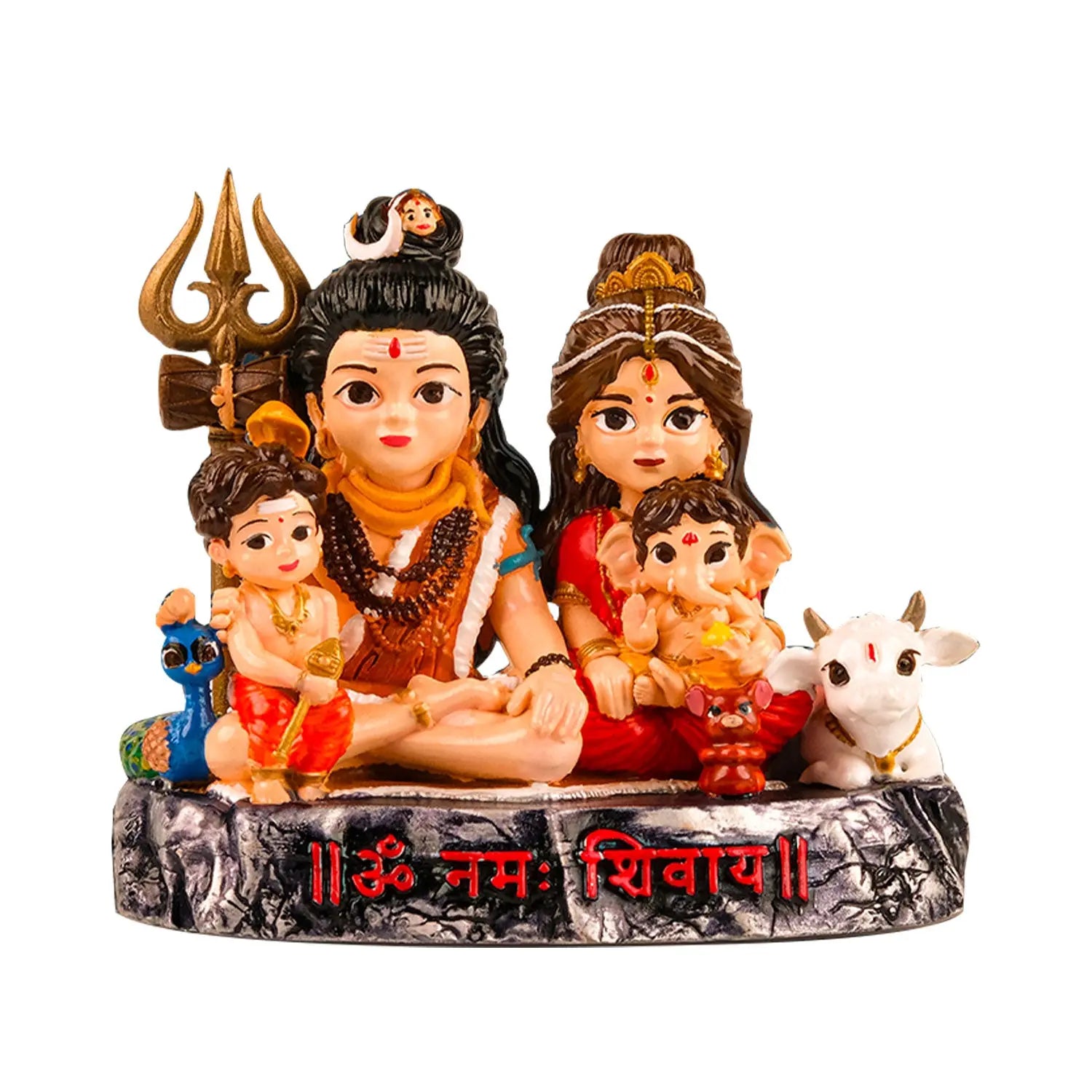
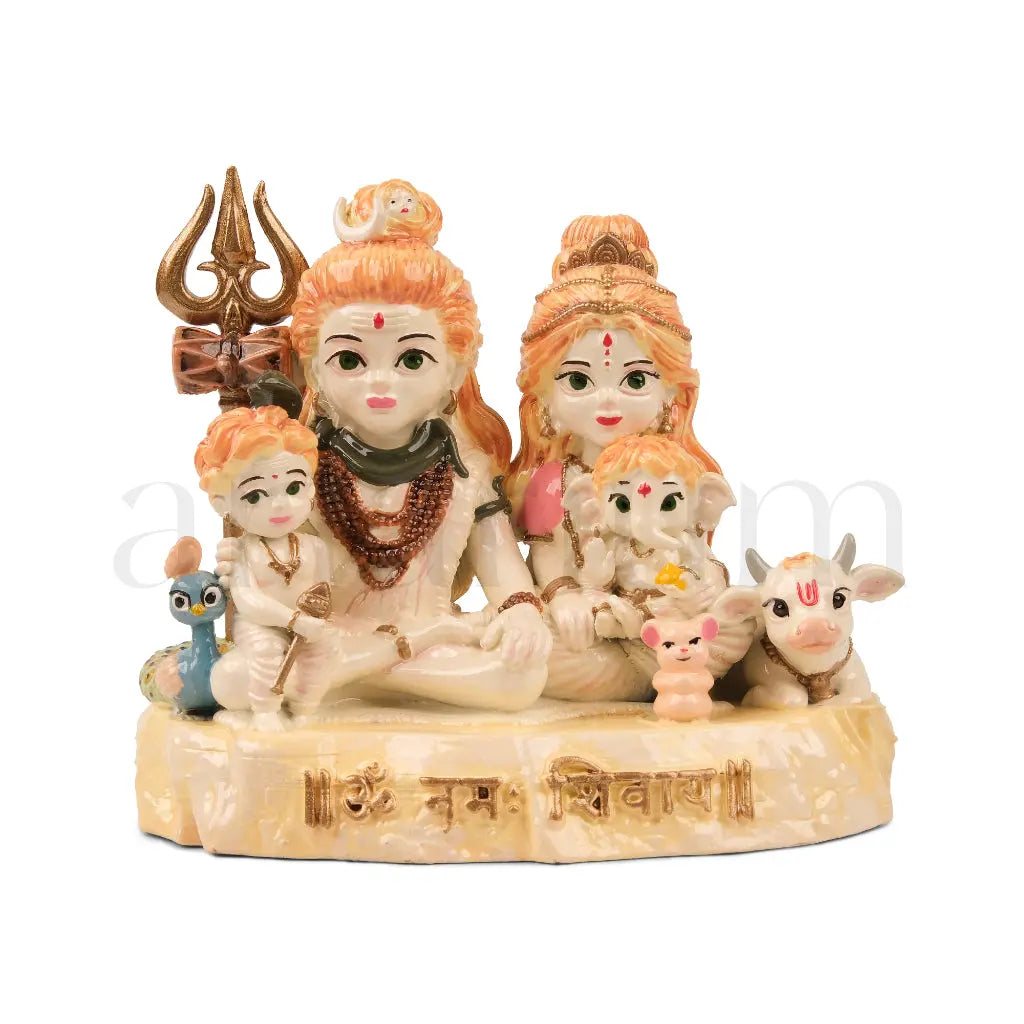
Hariyali Teej primarily celebrates the reunion of Lord Shiva and Goddess Parvati; it also highlights the importance of the Shiv Parivar. Including Lord Shiva, Goddess Parvati, Lord Ganesha, and Lord Kartikeya (Murugan), the Shiv Parivar symbolizes harmony, unity, and strong family values.
People worship the whole Shiv Parivar on this auspicious festival to seek blessings for peace, happiness, and well-being for their home. Shiv Parivar signifies an ideal example of love, mutual respect, togetherness, and making their worship an important aspect of Indian traditions.
Why Is It Called Hariyali Teej?
The word Hariyali means greenery and signifies Hariyali Teej. During the monsoon season, nature transforms into a vibrant and full of greenery. The greenery represents prosperity and fertility. The festival occurs on the third day of the bright half of the Hindu month of Shravan, the month that is associated with abundance and rain. The combination of the monsoon’s beauty and its spiritual significance makes Hariyali Teej the festival that it is.
Why Married Women and Young Girls Celebrate Hariyali Teej?
In honor of the marital bond of Lord Shiva and Goddess Parvati, married women and young girls celebrate Hariyali Teej. Married women observe fast and pray for their husband’s happiness and health, and their longevity. Young girls pray to Goddess Parvati for a loving and compatible husband. The festival is a time to strengthen family ties and celebrate the joy of the season.

Traditional Celebrations
Hariyali Teej boasts an array of lively customs and deep-rooted cultural activities celebrated in many locations throughout India. Ladie’s attire in green, along with other enhancements of jewelry and adornments of mehndi. They gather to sing devotion songs. Part of the festivities includes jhulas, which are swings hung on tree branches and decorated for the occasion. In the temples and in homes, special rituals and prayers are performed. Exchanges of festive gifts and sweets are made amongst families. These customs fully embrace the delight of the monsoon while capturing the cultural history of Hariyali Teej.
Conclusion
Hariyali Teej captures the essence of devotion and love woven with customs that stand the test of time. Why Hariyali Teej Is Celebrated: Shiva and Parvati's Divine Story captures the sentiment behind the festival's essence to applaud the virtues of faith and devotion. The celebration of the divine marriage of Parvati and Shiva encourages the adherents to mirror the values in their lives. The rituals and prayers undertaken to celebrate the festival represent the commitment to the preservation of the spiritual heritage of the Hindus.
Discover beautifully crafted idols and explore more traditional stories. Connect with Artarium.
FAQ’S
Q: Why is Hariyali Teej celebrated? ⌄
Ans: Hariyali Teej is celebrated in the reunion of Lord Shiva and the Goddess Parvati. It symbolizes marital devotion and prosperity.
Q: How is Hariyali Teej celebrated? ⌄
Ans: In Hariyali Teej, women observe a fast, dress up in green attire, apply mehndi on their hands, sing songs, and worship Goddess Parvati and Lord Shiva.
Q: In which state is Hariyali Teej celebrated? ⌄
Ans: Hariyali Teej is celebrated widely in Indian states such as Rajasthan, Uttar Pradesh, Madhya Pradesh, and mainly in Haryana, especially by women.
LATEST BLOGS


Sep 04, 2026
108 Names of Lord Shiva with Meanings: The Complete Guide (Ashtottara Shatanamavali)
Read more →


