
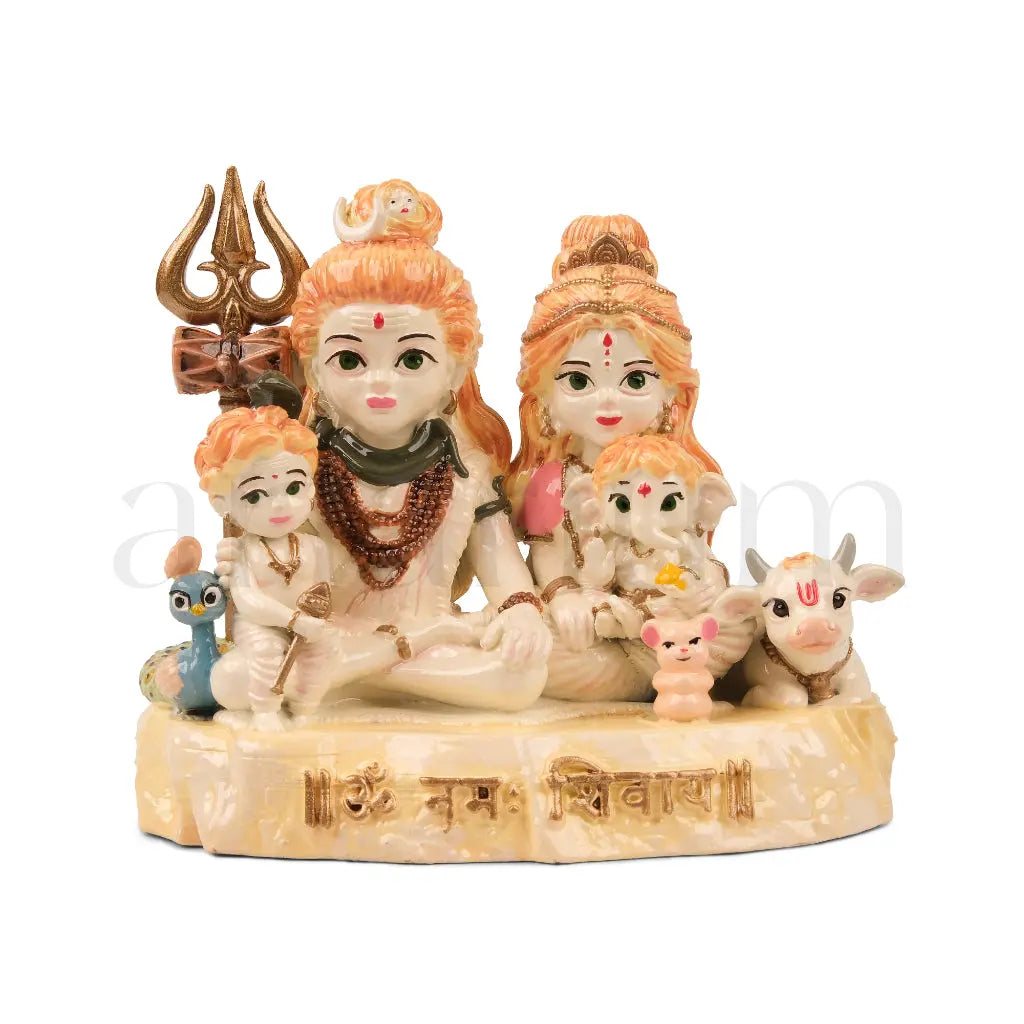


The Meaning of Bhakti in Hinduism

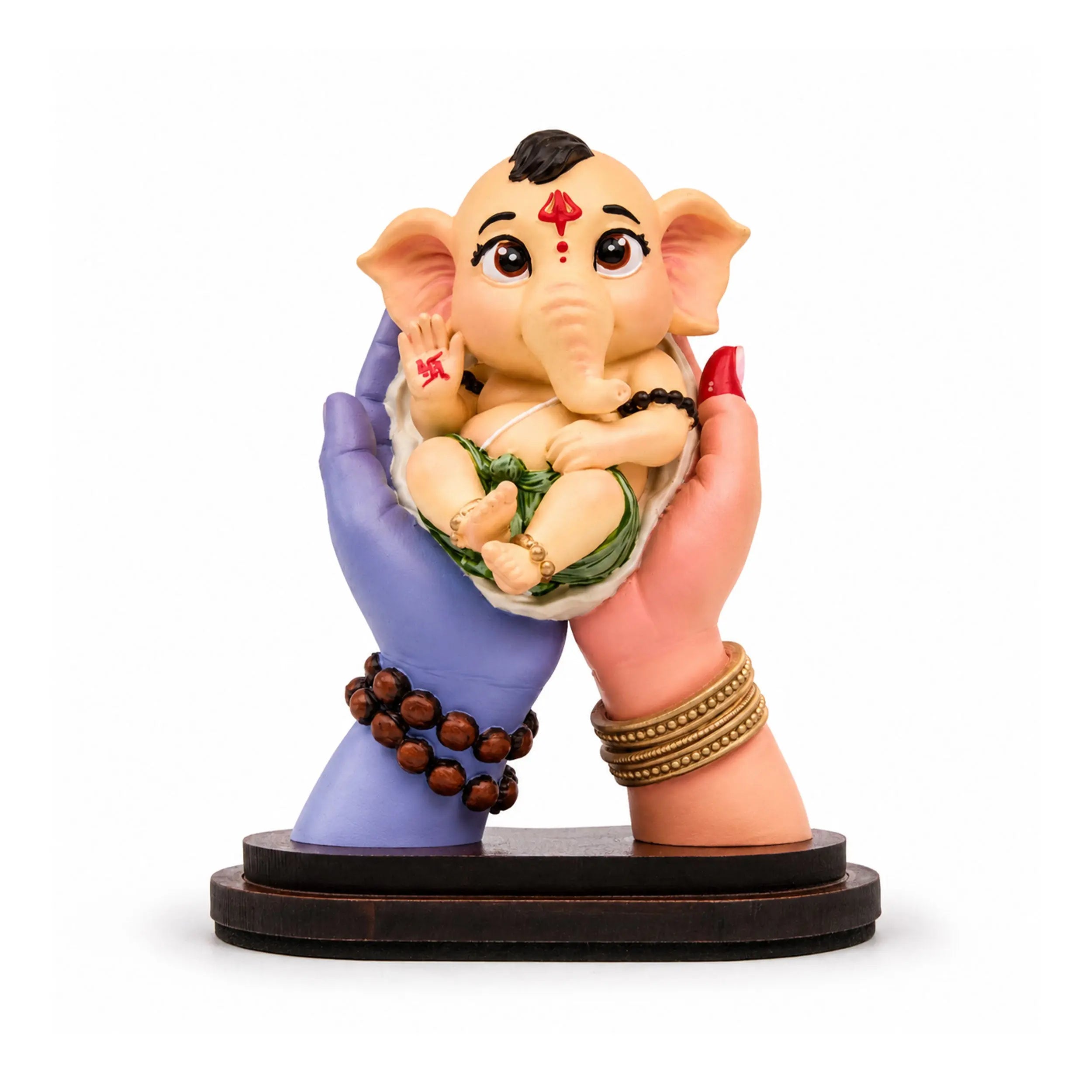
Bhakti in Hinduism is all about a deep, emotional bond and love between a devotee and a personal god. It's not just a one-sided affair; it's a mutual relationship where the deity also shows love and care for the devotee. The word bhakti comes from Sanskrit and means "love" or "devotion," but its true essence goes beyond these simple translations.
Bhakti in the Bhagavad Gita

In the Bhagavad Gita, one of Hinduism's most sacred texts, the path of bhakti (bhakti-marga) is highlighted as the best way to achieve moksha (liberation). It’s considered superior to the paths of knowledge (jnana-marga) and ritualistic actions (karma-marga). The Gita teaches that through bhakti, a person can transcend their ego and realize the divine presence within and around them.
How did the Concept of Bhakti Begin?

The bhakti movement started in South India between the 7th and 10th centuries. Poets called the Alvars and the Nayanars wrote passionate hymns in Tamil dedicated to Vishnu and Shiva. These poets took inspiration from earlier Tamil love poetry and royal praise songs, turning them into heartfelt expressions of devotion. The movement quickly spread to North India, especially through the 10th-century Sanskrit text, the Bhagavata Purana. Influences from Islam, particularly Sufi mysticism, also shaped the idea of bhakti.
Different Traditions of Bhakti

In Hinduism, each major deity has its own unique traditions of bhakti:
- Vishnu-bhakti focuses on Vishnu’s avatars, particularly Lord Krishna and Rama.
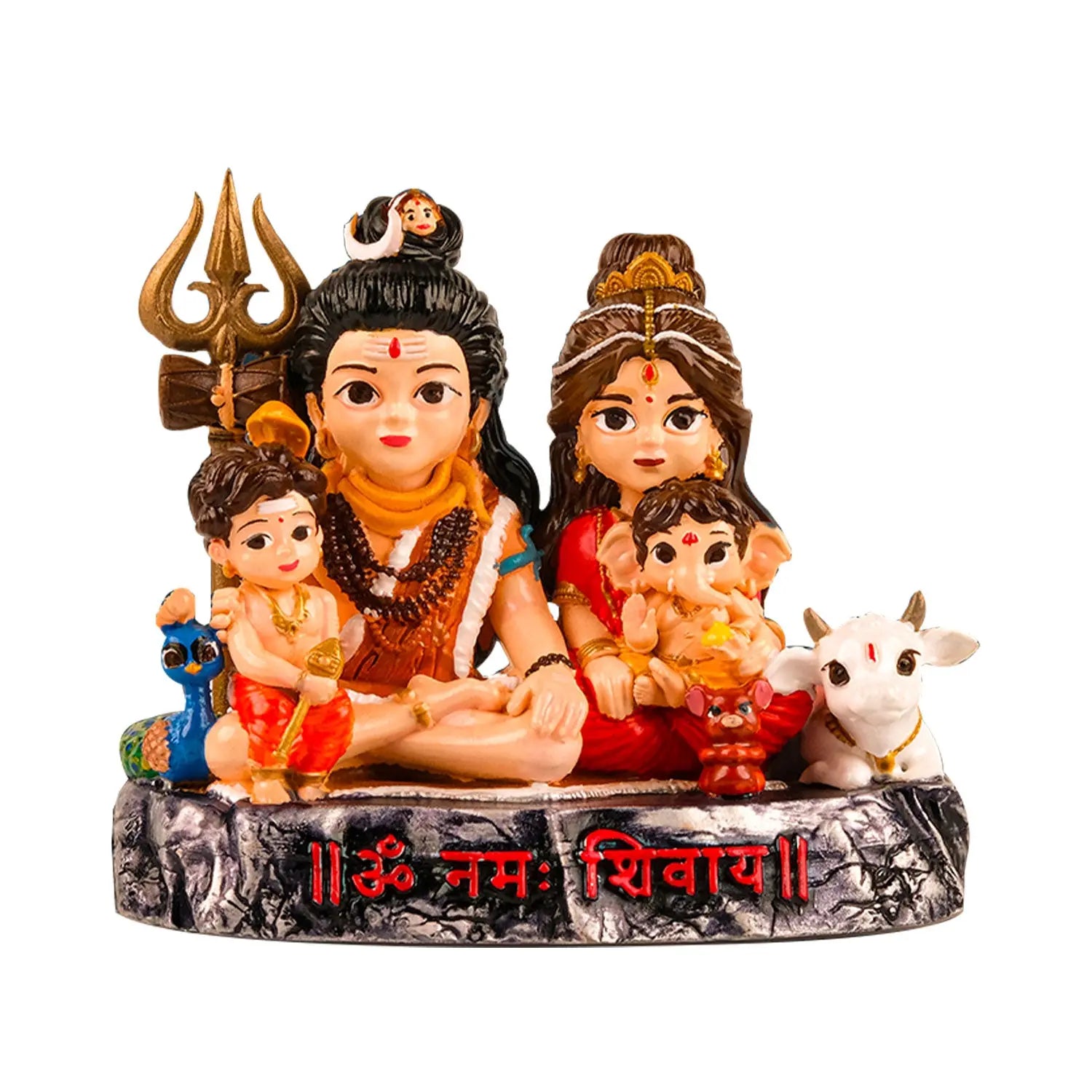
- Shiva-bhakti involves worshipping Shiva in his various earthly forms.
- Devotion to Goddesses like Durga, Kali, and Lakshmi is often regional and celebrated through numerous festivals and temple rituals.
Devotional practices in the bhakti tradition include chanting the deity's name, singing hymns, carrying emblems, going on pilgrimages, and offering sacrifices. These practices are more than rituals; they’re heartfelt expressions of love and reverence. Seeing and being seen by the deity, known as darshan, is a vital part of bhakti worship.
Bhakti in the Medieval Period

During the medieval period, different traditions explored the many possible relationships between a devotee and their deity, known as bhavas. In Bengal, the love for God was compared to human relationships like those between a servant and master, friends, parents and children, and lovers. In South India, poets wrote passionate and sometimes erotic verses to Shiva and Vishnu, especially Krishna. The 16th-century poet Tulsidas, in his epic Ramcharitmanas, highlighted friendship and loyalty towards Rama. These hymns and poems are still recited and sung in religious gatherings today.
The Bhakti Movement
The bhakti movement had a significant impact on Hindu society. It emphasized personal devotion over ritualistic practices and social hierarchies, making spirituality accessible to everyone, regardless of gender or caste. This inclusivity allowed individuals to cultivate their own spiritual paths based on personal devotion and love for the divine.
The Five Bhavas
In bhakti, there are five primary bhavas or attitudes that a devotee can adopt:
- Santa Bhava: A calm and peaceful love for God.
- Dasya Bhava: The attitude of a servant towards their master.
- Sakhya Bhava: The friendship between the devotee and God.
- Vatsalya Bhava: Parental love towards God.
- Madhurya Bhava: The love between a woman and her beloved, characterized by deep personal devotion.
Bhakti Practices
The bhakti tradition involves various practices to express devotion, such as:
- Singing devotional songs (bhajans and kirtans).
- Reciting the names of gods and goddesses.
- Going on pilgrimages to sacred sites.
- Offering sacrifices, either animal or vegetarian, to honor the deity.
- Receiving prasad (sacred food) after temple rituals symbolizes divine grace.
These practices help deepen a devotee's connection with the divine and enrich their spiritual journey.
Bottom Line
Bhakti in Hinduism is a profound and personal form of devotion that goes beyond rituals and intellectual understanding. It’s about forming a heartfelt connection with the divine, characterized by love, dedication, and mutual attachment. Through bhakti, devotees find deeper meaning and fulfillment in their spiritual journeys, experiencing a direct and loving relationship with their chosen deities. This timeless tradition continues to inspire and guide millions of Hindus in their quest for spiritual growth and divine communion.
LATEST BLOGS


Sep 04, 2026
108 Names of Lord Shiva with Meanings: The Complete Guide (Ashtottara Shatanamavali)
Read more →


