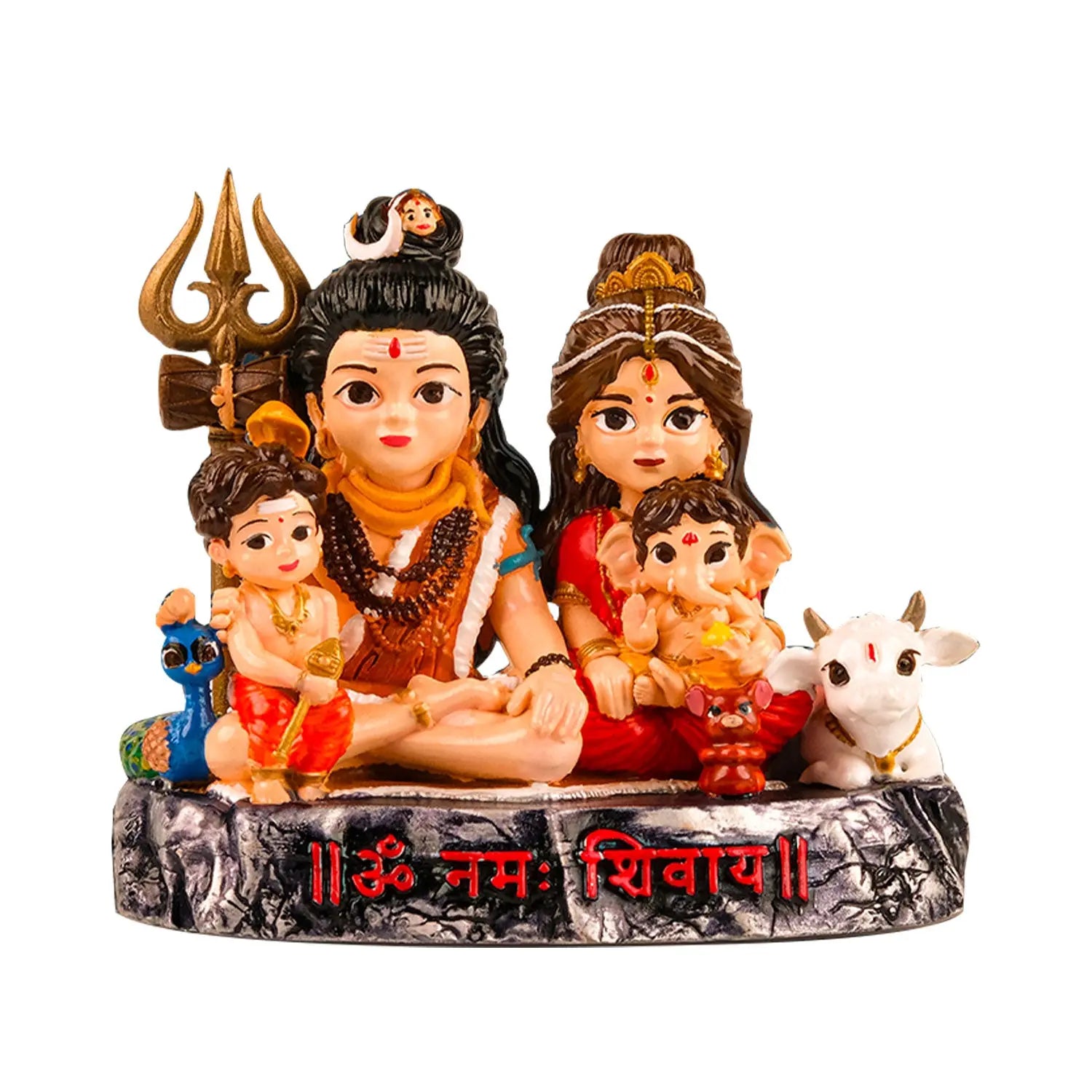


Explore the 19 Avatars of Lord Shiva

Lord Shiva, also known as Bholenath, Shankar, and Mahadev is one of the most powerful deities of Hinduism. He is revered as the destroyer in the Holy Trinity along with Brahma (the creator) and Vishnu (the preserver).
However, Lord Shiva’s role wasn’t just confined to destruction or transformation. In the course of time, he took various avatars or forms to serve humanity.
Hence, in today’s blog, we will discuss the 19 avatars of Lord Shiva and their significance in Hinduism.
What is an Avatar?
An avatar is a divine form taken by a deity to fulfill a specific purpose on Earth. It is believed that whenever the universe is consumed by evil, god comes down to earth in human form to restore balance. The word “avatar” comes from the Sanskrit term avatar, meaning “descent.”
While Lord Vishnu’s Dashavatara (ten avatars) are widely celebrated for their roles in cosmic balance, Shiva’s avatars are more about representing different facets of his personality.
Understanding the 19 Avatars of Lord Shiva
Here’s a closer look at each avatar, their story, and what they teach us.
1. Veerabhadra

Veerabhadra was born out of Shiva’s anger when Daksha insulted Goddess Sati during a yajna. With fiery eyes and unmatched power, this avatar destroyed Daksha’s arrogance and symbolized the righteous wrath needed to protect honor and dharma.
2. Bhairava

Bhairava, a terrifying form of Shiva, is often depicted carrying a trident and a skull. He came into being when Shiva punished Brahma for his arrogance by severing his fifth head. This avatar guards the boundaries of time and ensures that justice is served. Bhairava also destroys fear, helping devotees overcome their darkest thoughts.
3. Ashwathama
Ashwatthama, a mighty warrior in the Mahabharata was born to Guru Dronacharya as a reward for his devotion. A skilled warrior with a divine gem on his forehead, he played a vital role in the Mahabharata but was cursed by Lord Krishna to eternal suffering.
4. Piplaad
Born to Rishi Dadhichi and Swarcha, Piplaad faced hardships when his parents died due to Shani's influence. Seeking revenge, he caused Shani’s downfall but later forgave him under the condition that Shani wouldn’t trouble anyone before they turned 16. Worshiping this avatar is believed to reduce Shani dosha.
5. Nandi

As the son of Sage Shilada, Nandi was blessed with immortality by Lord Shiva. He later became Shiva’s devoted mount and gatekeeper of Kailasha, symbolizing unwavering loyalty and service to the Lord.
Read More:- Exploring the Sacred Bond Between Shiva and Nandi
6. Sharabha
To calm Narasimha (Vishnu’s lion-man avatar) after he defeated the demon Hiranyakashipu, Shiva took the form of Sharabha, a half-lion, half-bird creature. This avatar represents Shiva’s role as the ultimate balancer in the universe.
7. Grihapati
Born with a short lifespan due to planetary influences, Grihapati overcame his destiny with devotion and became the guardian of all directions. He teaches the importance of maintaining balance in domestic duties.
8. Durvasa
Durvasa, an avatar of Shiva, is known for his short temper but also his immense wisdom. His stories remind us that even anger, when controlled, can be a force for positive change.
9. Yatinath
Yatinath visited a humble tribal couple, Aahuk and his wife, and blessed them for their devotion. Their tragic sacrifice led to a rebirth as Nala and Damyanti, showcasing the rewards of true devotion.
10. Krishna Darshan
This avatar taught Prince Nabhag the significance of performing yagnas and letting go of material attachments. It emphasizes the value of spiritual enlightenment over worldly possessions.
11. Bhikshuvarya
In this form, Lord Shiva rescued an abandoned infant, ensured his upbringing by a kind woman, and helped him regain his kingdom. This avatar embodies Shiva’s role as a savior and protector of the helpless.
12. Hanuman

Born from Shiva’s divine energy, Hanuman played a crucial role in Ramayana, helping Lord Ram defeat Ravana. A symbol of devotion and courage, he continues to inspire unwavering faith and selfless service.
13. Kirateshwar
Appearing as a hunter, Shiva tested Arjuna’s courage during his quest to slay a boar. After a duel, Shiva revealed his identity and granted Arjuna the divine Pashupatastra, symbolizing courage and determination.
14. Vrishabha
During the cosmic event of Samudra Manthan (churning of the ocean), Shiva took the form of a bull to assist. This form represents strength and the willingness to help in times of need.
15. Yaksheshwar
To humble the gods intoxicated by pride, Lord Shiva appeared as *Yaksheshwar* and challenged them to cut a blade of grass, which they failed to do. This avatar reminds us of the power of humility.
16. Avadhut
Shiva, in this form, shattered Indra’s pride when the latter couldn’t move him despite all his might. It’s a reminder to stay grounded, no matter how powerful one becomes.
17. Sureshwar
When Upamanyu’s devotion was tested by Shiva and Parvati, disguised as Indra and Indrani, his unwavering faith earned him eternal blessings. This story highlights the power of steadfast devotion.
18. Brahmachari
Appearing as a monk, Shiva tested Parvati’s commitment by questioning her devotion. When she stood firm, he revealed his true form, symbolizing the reward of sincere love and dedication.
19. Suntantarka

In this form, Shiva appeared as a dancer in King Himalaya’s court to seek Parvati’s hand in marriage. His enchanting performance won the king’s approval, showcasing his playful yet purposeful nature.
Conclusion
Each avatar of Lord Shiva carries a profound message about life, spirituality, and cosmic order. Whether fierce like Veerabhadra or compassionate like Piplaad, Shiva’s forms teach us to navigate life with courage, devotion, and wisdom.
Frequently Asked Questions (FAQs):
Q. How many avatars of Lord Shiva are there?
A. There are 19 significant avatars of Lord Shiva, each representing a unique aspect of his nature.
Q. What is the significance of Lord Shiva’s avatars?
A. Shiva’s avatars highlight his multifaceted personality. They address various aspects of life – from destruction and creation to compassion and wisdom.
Q. What makes Shiva’s avatars different from Vishnu’s avatars?
A. Being the preserver of the universe, Vishnu’s avatars are often focused on acts of preservation and protection, while Shiva’s avatars are more centered around destruction and transformation.
Q. What is Shiva’s form as Nataraja?
A. As Nataraja, Shiva is the cosmic dancer, representing the eternal cycles of creation, preservation, and destruction.
Q. Why does Lord Shiva have so many forms?
A. Shiva’s numerous forms reflect his nature as the god of destruction and transformation and his ability to address various cosmic purposes.
Read also:-
Famous Hanuman Temples in Delhi | Top 10 Vastu Tips for Home
LATEST BLOGS


Sep 04, 2026
108 Names of Lord Shiva with Meanings: The Complete Guide (Ashtottara Shatanamavali)
Read more →


